Halal Guide
How to Check If Any Product Is Halal: E-Numbers, Alcohol, and Hidden Ingredients
You pick up a product, flip it over, and face a paragraph of ingredient names and codes. Some are obviously fine. Others — E120, E471, "natural flavor" — could come from plants, animals, or alcohol. Here is a practical method for working out what is halal, what is haram, and what is genuinely doubtful, using nothing but the label and a few free tools.
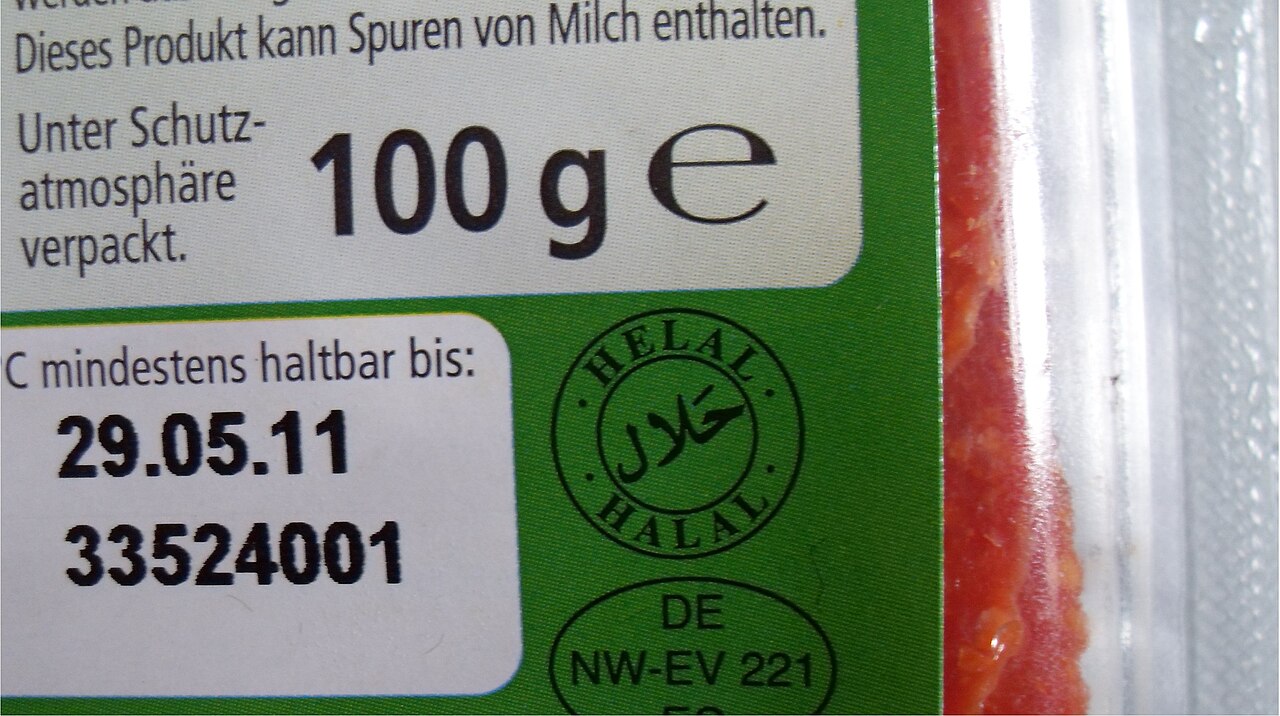
Start with the certification mark — then verify it
The fastest check on any packaged product is a certification mark. In the US, look for logos from certifiers such as IFANCA (the "Crescent-M") or HFSAA; in the UK, HMC and HFA marks are common. A genuine mark means a certifying body audited the ingredients and the production line.
Two caveats matter. First, certification marks can be counterfeited or misused, and small producers occasionally print a generic "Halal" word-mark with no certifier behind it — a real certificate names the issuing body. Second, certification is product-specific: a company can hold one certified product line while other lines run on shared equipment. If the mark seems off, check the certifier's own public database or write to the company. Most halal certifiers respond to consumer email within a few business days. Keep the packaging too: if you ever need to report a problem, the lot number and the certifier named on the label are the first things the manufacturer will ask for.
Marks also differ by country, and a mark that is standard in one market may be unknown in another. JAKIM (Malaysia), MUIS (Singapore), and BPJPH (Indonesia) dominate Southeast Asia; IFANCA and HFSAA are the familiar names in North America; HMC and HFA cover much of the UK. Importers sometimes keep the original origin-market mark alongside a local one, so two logos on one label is not automatically suspicious — but each should trace back to a certifier you can look up.
When there is no mark at all — the majority of everyday groceries — you move to the ingredient list itself.
The ingredient list: a three-bucket sort
Rather than memorizing hundreds of E-numbers, sort every ingredient into one of three buckets:
- Always fine (plant or mineral origin): flour, rice, oils, sugar, salt, lecithin from soy, cellulose, most starches, colors like E100 (curcumin) or E160a (carotene).
- Always out: pork by-products, gelatin unless certified bovine/fish, lard, ethanol intended as alcohol (not as a processing aid), and anything explicitly derived from non-halal-slaughtered animals.
- Depends on the source: the big gray zone. E120 (carmine, from insects), E441 (gelatin), E542 (bone phosphate), E471–E495 (mono- and diglycerides and related emulsifiers), lecithin when animal-derived, whey when the rennet source is unknown, and "natural flavors" with no declared origin.
For anything in the third bucket, the label alone rarely settles it. This is where an E-number checker saves time: type the code and you get the possible origins and the majority scholarly position for each. When a product has a dozen gray-zone codes, most people simply choose an alternative that is certified instead.
Alcohol in food: the two questions that matter
Alcohol on an ingredient list is not one thing. It can be:
- An intoxicant by design — wine, beer, spirits, or cooking wine. Consensus: haram, and it does not "cook off" enough to matter.
- A solvent or carrier — ethanol used to dissolve flavors, vanilla extract being the classic case. Here opinions genuinely differ: many scholars hold that a small amount used as a processing aid, which leaves no intoxicating effect, is permissible, while others avoid it entirely. Vanilla-free "vanilla flavor" and alcohol-free extracts exist for those who prefer the stricter position.
Watch for the disguised forms too: "natural flavors," "artificial flavors," and "carriers" frequently hide ethanol. If a label lists them without detail, the manufacturer's allergen or spec sheet (usually on their website) often names the solvent.
Beyond food: the same method for cosmetics and medicine
The label-reading method transfers directly. Cosmetics hide animal derivatives in fatty-acid chains — glycerin, stearates, collagen, squalene — and alcohol shows up as denatured alcohol in perfumes and toners. Our halal cosmetics checker breaks down the common cosmetic ingredients the same way. For medicine, gelatin capsules and stearates are the usual concern; the general scholarly position is that necessary medicine with no halal alternative is excused, but an ingredient check still tells you whether a gelatin-free option exists.
When you want a second pair of eyes on any full ingredient list, paste it into the Halal Ingredient Scanner and it flags the doubtful entries with their sources.
Cross-contamination: what "may contain" really tells you
A shared production line can carry pork or alcohol traces into otherwise clean products. The label phrases "may contain," "produced in a facility that also processes," or "shared equipment" are voluntary warnings, not legal statements of fact. Their absence means little; their presence tells you the line is shared with something. For strict households, the practical rule is: shared-line products fall into the same gray zone as unknown-source E-numbers, and a certified alternative is preferred. Note that "may contain milk/soy" allergen warnings describe allergen control, not halal status — different standard, different purpose.
Cross-contact continues after the factory. Deli slicers, bakery display cases, fryer oil, and ice-cream counters are all shared surfaces, and the same reasoning applies: ask how the equipment is cleaned and what else runs through it. A restaurant that serves no alcohol and no pork removes most of the risk before you even ask about ingredients — which is why the questions differ by setting. At a shop, you read labels; at a counter, you ask about the fryer.
Transport and storage are the last link. Bulk bins, scoops, and tongs at grocery stores are shared between products, and a "halal" sticker on a display means little if the bin beside it holds something else. When in doubt, sealed packaging beats open bins: the seal is the manufacturer's statement, and it survives the journey to your kitchen intact.
A five-step routine you can do at the shelf
- Look for a certification mark from a known body (IFANCA, HFSAA, HMC, HFA, JAKIM, MUIS). Found and intact → you are done.
- No mark? Scan the ingredient list and bucket-sort it: fine / out / gray-zone.
- Check gray-zone E-numbers with the E-number checker rather than guessing.
- Suspicious "natural flavors" or alcohol carriers? Check the manufacturer's spec sheet or email them.
- Still uncertain? Pick the certified alternative. Uncertainty in meat especially is treated conservatively by all schools.
What this routine does not cover
Fresh meat is a separate topic entirely — the question there is slaughter method, not labels, and local certification (or trusted butcher relationships) is the answer. Restaurant food combines ingredient and cross-contact questions; our guide to finding halal restaurants covers the questions worth asking staff. And for products bought abroad, certification marks differ by country — the same routine applies, but the certifier databases differ.
Sources worth bookmarking
- IFANCA — Islamic Food and Nutrition Council of America: certifier directory and product database.
- FDA Food Additive Status List: what each additive is and its permitted uses.
- USDA FSIS: meat and poultry labeling rules in the US.
- HMC (Halal Monitoring Committee, UK) for UK-standard slaughter certification.
Last updated September 2026 · Have a product you are unsure about? Run its ingredient list through the ingredient scanner.